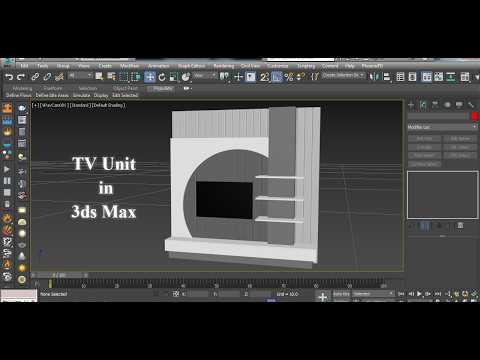
In the world of architectural visualization, the ability to create bespoke furniture pieces is a vital skill. One of the most common yet rewarding projects for any 3D artist is the creation of a contemporary media center. Mastering the art of 3DSMAX modeling is an essential skill for any aspiring architectural visualizer, as it allows for the precise customization needed to fit specific interior design requirements.
Starting with the Basics: Blocking the Form
Every great 3D model begins with a solid foundation. When designing a TV unit, the first step involves setting up the correct dimensions using standard primitives. By starting with a simple box or a series of planes, you can establish the overall footprint of the cabinet. Accuracy is key here; ensuring that the height and depth of the unit are ergonomically correct will make the final render look far more realistic. Once the base shape is established, you can convert it to an Editable Poly to begin more detailed manipulations.
Refining the Cabinet Details
Once the primary structure is in place, it is time to add the functional elements that make a TV unit stand out. This involves creating drawers, shelving units, and the back paneling. By using tools like Inset, Extrude, and Bridge, you can dive deeper into advanced 3DSMAX modeling techniques, such as using Chamfer for realistic edges. Adding these small beveled edges is a "pro tip" that helps catch highlights in the final render, preventing the furniture from looking unnaturally sharp or digital.
Adding Realism through Materials and Props
A TV unit is never just a block of wood; it features different textures like matte laminates, wood grains, or even glass panels. After the modeling phase is complete, applying Multi/Sub-Object materials allows you to define these different surfaces easily. To truly bring the scene to life, consider adding "proxy" items like a flat-screen television, books, or decorative vases. This adds a sense of scale and purpose to your design.
Conclusion
Building a custom TV unit is a fantastic way to sharpen your technical skills. From understanding geometry flow to mastering modifiers, the process is about transforming a simple furniture piece into a high-quality asset through consistent 3DSMAX modeling practice. Whether you are building a portfolio or working on a client project, these techniques will ensure your 3D furniture looks professional and production-ready.


