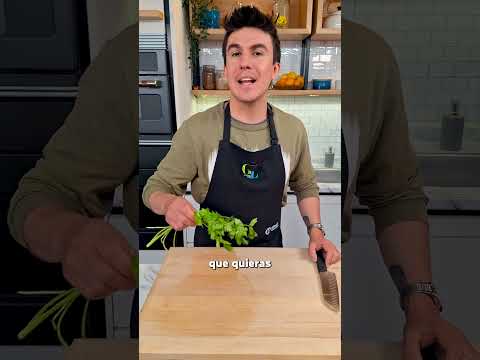
Have you ever tried making a traditional Mexican Salsa Verde at home, only to end up with something too acidic, watery, or uncontrollably spicy? You aren't alone. Achieving that vibrant, restaurant-quality green sauce is an art form, but with a few professional tricks, you can master the balance of heat and freshness in your own kitchen.
The Secret to Balanced Flavor
The foundation of a great Salsa Verde is the tomatillo. To avoid the common pitfall of a bitter or overly acidic sauce, the secret lies in the cooking time. If you are boiling your tomatillos, pull them off the heat the moment they change from a bright green to a dull olive color. Overcooking them causes the skins to burst, releasing bitterness into the sauce. For a deeper, smokier profile, consider roasting your tomatillos, garlic, and peppers on a griddle or comal until they have charred spots.
The Importance of Culinary Texturing
One of the most overlooked aspects of a great sauce is its consistency. In professional cooking, texturing is a specific focus that ensures the sauce has the right mouthfeel and "cling" factor for tacos and chips. Instead of simply liquefying your ingredients on high speed, try using the "pulse" setting on your blender.
Properly texturing your sauce—aiming for a slightly rustic, chunky consistency rather than a watery juice—allows the individual flavors of the charred onion and fresh cilantro to shine through in every bite. If you find your salsa is too thin, adding a small piece of ripe avocado can help in texturing the final product into a luscious, creamy dip without masking the heat of the serrano peppers.
Controlling the Heat
To keep your salsa "picosita" (pleasantly spicy) without being overwhelming, always taste your peppers before blending. If the peppers are exceptionally hot, remove the seeds and veins. Remember that the heat will intensify slightly as the salsa sits, so it is always better to start with less and add more as you go.
Final Touches for Freshness
Always finish your salsa with a generous squeeze of fresh lime juice and a pinch of salt to brighten the flavors. Adding finely chopped raw white onion and fresh cilantro after blending will provide a crisp contrast to the cooked ingredients, ensuring your Salsa Verde is as fresh and authentic as possible. By following these easy steps, you'll never have to settle for a mediocre green sauce again!


