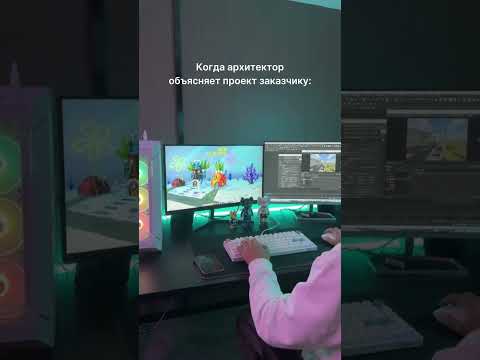
Every architect and 3D artist has experienced this moment: you spend dozens of hours tweaking global illumination, fine-tuning complex bounce lighting, and perfecting photorealistic textures for a major render. You enter the presentation room ready to showcase a masterpiece. However, the moment the image appears, the client completely ignores the technical artistry and focuses on a tiny, unrelated detail.
Bridging the gap between technical design and client perception is one of the biggest challenges in modern architectural visualization. While mastering 3ds Max architecture workflows allows designers to create breathtakingly detailed visuals, communicating those technical concepts clearly requires a completely different strategy.
The Vision Gap: Technical Precision vs. Client Perception
When architects analyze a project, they see spatial flow, structural logic, and atmospheric depth. Advanced software enables artists to simulate real-world physics, complex glass reflections, and intricate lighting setups down to the millimeter.
However, most clients lack a background in spatial design or rendering software. Where you see a triumph in volumetric lighting and procedural materials, a client might only focus on furniture placement or ask if the wall color comes in a lighter shade. This disconnect frequently leads to presentation meetings where the true scope of your architectural concept gets lost in translation.
How to Present 3ds Max Architecture Visuals Effectively
To ensure your creative vision is understood and appreciated, try refining your client presentation approach:
- Focus on the Narrative, Not the Software: Instead of explaining rendering setups or ray-tracing techniques, describe how natural morning sunlight will illuminate the living area to create a warm, inviting atmosphere.
- Guide the Viewing Experience: Structure your presentation sequentially. Use curated camera paths that emphasize overall spatial function before moving on to fine architectural details.
- Connect Visuals to Lifestyle Benefits: Frame your design decisions around real-world living experiences rather than technical achievements.
Conclusion
Crafting top-tier 3ds Max architecture visualizations is only half the battle—translating those technical renders into a compelling human story completes the process. By guiding your client's focus toward how the design feels rather than how it was built, you can transform chaotic feedback into smooth, productive collaborations.


